

+917069922255

Currently it only shows your basic business info. Start adding relevant business details such as description, images and products or services to gain your customers attention by using Boost 360 android app / iOS App / web portal.

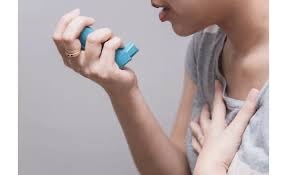
Asthma is a chronic inflammatory disease of the airways that causes difficulty in breathing. It happens when the airways in the lungs become: • Inflamed (swollen) • Narrowed • Filled with excess mucus • Overly sensitive to triggers This leads to reversible airway obstruction, meaning symptoms can improve with treatment. ⸻ Common Symptoms • Wheezing (whistling sound while breathing) • Shortness of breath • Chest tightness • Persistent cough (especially at night or early morning) • Difficulty speaking during severe attacks Symptoms may be mild, moderate, or severe. ⸻ Causes & Risk Factors Asthma is caused by a mix of genetic and environmental factors. 1. Genetic Factors • Family history of asthma • Allergies (atopy) 2. Environmental Triggers • Dust mites • Pollen • Pet dander • Smoke (cigarettes, pollution) • Cold air • Exercise • Respiratory infections • Strong perfumes or chemicals ⸻ Types of Asthma 1. Allergic Asthma – Triggered by allergens like pollen or dust. 2. Non-allergic Asthma – Triggered by infections, stress, weather. 3. Exercise-induced Asthma 4. Occupational Asthma – Caused by workplace irritants. 5. Childhood Asthma 6. Severe Asthma – Difficult to control with standard treatment. ⸻ Asthma Attack (Acute Exacerbation) An asthma attack occurs when symptoms suddenly worsen. Warning Signs: • Rapid breathing • Severe wheezing • Blue lips or fingernails (cyanosis) • Inability to speak full sentences • No relief from inhaler ⚠️ Severe attacks are medical emergencies. ⸻ Diagnosis Doctors diagnose asthma using: • Medical history • Physical examination • Spirometry (lung function test) • Peak flow measurement • Allergy testing ⸻ Treatment of Asthma Asthma cannot be cured, but it can be controlled. 1. Quick-Relief Medicines (Rescue Inhalers) 2. Long-Term Control Medicines 3. Non-Drug Management • Avoid triggers • Use air purifiers • Maintain healthy weight • Regular follow-up • Vaccination (flu vaccine) ⸻ Complications (If Uncontrolled) • Frequent hospital visits • Reduced lung function • Sleep problems • Severe respiratory failure (rare but life-threatening) ⸻ Prevention & Control Tips - VACCINATION • Use inhalers correctly • Avoid smoking and secondhand smoke • Keep home dust-free • Take prescribed medication regularly


