

+917069922255

Currently it only shows your basic business info. Start adding relevant business details such as description, images and products or services to gain your customers attention by using Boost 360 android app / iOS App / web portal.

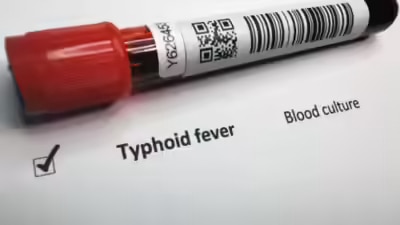
Typhoid fever is a serious, systemic bacterial infection caused by Salmonella enterica serovar Typhi. It spreads mainly through contaminated food and water and is most common in areas with poor sanitation. ⸻ Causative Agent • Bacterium: Salmonella enterica serovar Typhi ⸻ Mode of Transmission • Fecal–oral route • Contaminated: • Drinking water • Food (especially raw vegetables, street food) • Milk and dairy products • Carriers (people who recover but still shed bacteria) can transmit the disease Example: “Typhoid Mary” (a chronic carrier) spread infection without symptoms. ⸻ Risk Factors • Poor sanitation and hygiene • Unsafe drinking water • Traveling to endemic areas (South Asia, Africa, parts of Latin America) • Close contact with infected person • Low stomach acidity ⸻ Incubation Period • Usually 7–14 days • Can range from 3–30 days ⸻ Signs and Symptoms First Week • Gradual high fever (step-ladder pattern) • Headache • Weakness • Dry cough • Abdominal discomfort • Constipation (more common in adults) Second Week • Sustained high fever (39–40°C) • Abdominal pain • Diarrhea (pea-soup stool) • Enlarged spleen and liver • Rose spots (faint pink rash on chest/abdomen) Third Week (If untreated) • Severe weakness • Intestinal bleeding • Intestinal perforation • Delirium (“typhoid state”) ⸻ Complications • Intestinal hemorrhage • Intestinal perforation • Peritonitis • Septic shock • Encephalopathy • Chronic carrier state ⸻ Diagnosis • Blood culture (most reliable in early stage) • Stool culture • Bone marrow culture (most sensitive) • Widal test (less specific) • PCR (modern method) ⸻ Treatment Typhoid requires antibiotics Supportive care: • Adequate hydration • Nutrition • Fever management ⸻ Prevention A. Vaccination Available vaccines: • Typhoid conjugate vaccine (TCV) • Oral live vaccine • Injectable polysaccharide vaccine Recommended for: • Travelers to endemic regions • Children in high-risk areas B. Hygiene Measures • Drink boiled or treated water • Wash hands regularly • Eat properly cooked food • Avoid raw vegetables in endemic areas ⸻ Difference Between Typhoid and Paratyphoid • Typhoid: caused by S. Typhi • Paratyphoid: caused by S. Paratyphi • Symptoms similar but paratyphoid is usually milder ⸻ Global Impact • Millions of cases yearly • Highest burden in developing countries • Major public health issue where sanitation is poor


