Travelers Vaccination service image
Travelers Vaccination

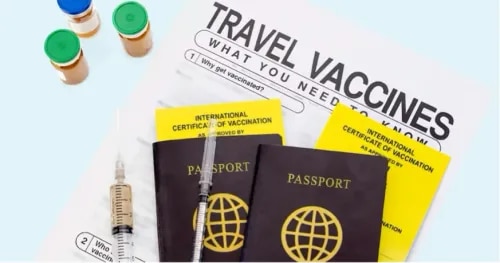
✈️ Travel Vaccine Guidance (India Perspective) Travel vaccines depend on destination country, duration of stay, activities, season, and your health condition. Below is a practical guide for adults traveling from India. ⸻ 🔹 Step 1: Ensure Routine Vaccines Are Up to Date Before any international travel, make sure you are updated on: • Influenza (yearly) • Tdap/Td (within 10 years) • COVID-19 • MMR • Varicella • Hepatitis B These are foundational vaccines regardless of destination. ⸻ 🔹 Step 2: Destination-Specific Travel Vaccines 1️⃣ Yellow Fever • Required for travel to many African and South American countries. • Mandatory certificate as per World Health Organization International Health Regulations. ⸻ 2️⃣ Typhoid • Recommended for: • South Asia • Southeast Asia • Africa • Especially if eating street food or staying long term. • Booster every 3 years (injectable). ⸻ 3️⃣ Hepatitis A • Recommended for most developing countries. • Important for travelers from urban high-income backgrounds (may lack natural immunity). ⸻ 4️⃣ Meningococcal Vaccine • Mandatory for Hajj/Umrah travel to Saudi Arabia. • Required by Saudi authorities. • Also recommended for Sub-Saharan Africa “meningitis belt”, also in many other counters consider as compulsory vaccine ⸻ 5️⃣ Japanese Encephalitis • Recommended for: • Long stays (>1 month) • Rural areas in Southeast Asia • Agricultural exposure ⸻ 6️⃣ Rabies (Pre-Exposure) • For: • Long-term travelers • Adventure travelers • Remote areas without medical access India travelers going to Southeast Asia or Africa should consider it if high animal exposure risk. ⸻ 🔹 Special Travel Groups 🤰 Pregnant Travelers • Avoid live vaccines (Yellow Fever unless mandatory) • Influenza & Tdap are safe 👵 Elderly Travelers • Strongly consider: • Pneumococcal • Flu • Shingles 🏕 Adventure Travelers • Rabies • Tetanus booster • Japanese Encephalitis (if rural exposure) ⸻ 🔹 Important Documents • International Vaccination Certificate • Keep digital + physical copies • Some countries may check Meningococcal proof

Vaccination for Adult  service image
Vaccination for Adult

🔹 Why Adult Vaccination is Important • Prevents serious diseases and complications • Reduces hospitalizations and deaths • Protects vulnerable people (elderly, infants, immunocompromised) • Required for travel, healthcare jobs, or certain countries ⸻ 🔹 Routine Vaccines for Adults Influenza (Flu) Vaccine • Given annually • Recommended for all adults ≥19 years • Especially important for pregnant women, elderly, diabetics, heart/lung disease patients • Prevents severe flu complications ⸻ Tetanus, Diphtheria, Pertussis (Td/Tdap) • One dose of Tdap if never received in adulthood • Td or Tdap booster every 10 years • Important during pregnancy (each pregnancy) ⸻ Pneumococcal Vaccine Protects against pneumonia, meningitis, bloodstream infection Types: • PCV (Pneumococcal conjugate vaccine) • PPSV (Pneumococcal polysaccharide vaccine) Recommended for: • Adults ≥65 years • Adults 19–64 with chronic illness (diabetes, heart, lung, liver disease, smokers) ⸻ Hepatitis B Vaccine • Recommended for all adults up to age 59 • Adults ≥60 with risk factors • 2 or 3 dose series • Protects against liver infection and liver cancer ⸻ Hepatitis A Vaccine • 2 doses • For travelers, chronic liver disease, high-risk groups ⸻ HPV (Human Papillomavirus) Vaccine • Recommended up to age 26 • Ages 27–45: based on shared clinical decision • Prevents cervical, anal, throat cancers ⸻ Shingles (Herpes Zoster) Vaccine • Recommended for adults ≥50 years • 2 doses • Prevents painful shingles and nerve complications ⸻ MMR (Measles, Mumps, Rubella) • If not vaccinated in childhood or no immunity proof • Important for healthcare workers & travelers ⸻ Varicella (Chickenpox) • If never had disease or vaccine • 2 doses required ⸻ 🔹 Special Situations 🔸 Pregnant Women • Tdap (each pregnancy) • Influenza (any trimester) • Avoid live vaccines (MMR, Varicella) 🔸 Healthcare Workers • Hep B • MMR • Varicella • Influenza annually 🔸 Travelers • Yellow fever • Typhoid • Hep A • Others depending on destination ⸻ 🔹 Common Side Effects • Pain at injection site • Mild fever • Fatigue • Rare: severe allergic reaction ⸻ 🔹 Contraindications • Severe allergic reaction to previous dose • Live vaccines avoided in pregnancy & severe immunocompromise

Typhoid Fever  service image
Typhoid Fever

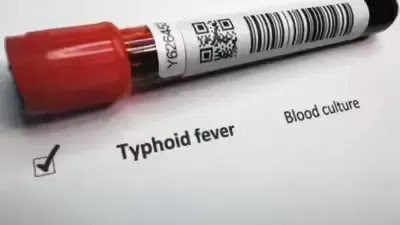
Typhoid fever is a serious, systemic bacterial infection caused by Salmonella enterica serovar Typhi. It spreads mainly through contaminated food and water and is most common in areas with poor sanitation. ⸻ Causative Agent • Bacterium: Salmonella enterica serovar Typhi ⸻ Mode of Transmission • Fecal–oral route • Contaminated: • Drinking water • Food (especially raw vegetables, street food) • Milk and dairy products • Carriers (people who recover but still shed bacteria) can transmit the disease Example: “Typhoid Mary” (a chronic carrier) spread infection without symptoms. ⸻ Risk Factors • Poor sanitation and hygiene • Unsafe drinking water • Traveling to endemic areas (South Asia, Africa, parts of Latin America) • Close contact with infected person • Low stomach acidity ⸻ Incubation Period • Usually 7–14 days • Can range from 3–30 days ⸻ Signs and Symptoms First Week • Gradual high fever (step-ladder pattern) • Headache • Weakness • Dry cough • Abdominal discomfort • Constipation (more common in adults) Second Week • Sustained high fever (39–40°C) • Abdominal pain • Diarrhea (pea-soup stool) • Enlarged spleen and liver • Rose spots (faint pink rash on chest/abdomen) Third Week (If untreated) • Severe weakness • Intestinal bleeding • Intestinal perforation • Delirium (“typhoid state”) ⸻ Complications • Intestinal hemorrhage • Intestinal perforation • Peritonitis • Septic shock • Encephalopathy • Chronic carrier state ⸻ Diagnosis • Blood culture (most reliable in early stage) • Stool culture • Bone marrow culture (most sensitive) • Widal test (less specific) • PCR (modern method) ⸻ Treatment Typhoid requires antibiotics Supportive care: • Adequate hydration • Nutrition • Fever management ⸻ Prevention A. Vaccination Available vaccines: • Typhoid conjugate vaccine (TCV) • Oral live vaccine • Injectable polysaccharide vaccine Recommended for: • Travelers to endemic regions • Children in high-risk areas B. Hygiene Measures • Drink boiled or treated water • Wash hands regularly • Eat properly cooked food • Avoid raw vegetables in endemic areas ⸻ Difference Between Typhoid and Paratyphoid • Typhoid: caused by S. Typhi • Paratyphoid: caused by S. Paratyphi • Symptoms similar but paratyphoid is usually milder ⸻ Global Impact • Millions of cases yearly • Highest burden in developing countries • Major public health issue where sanitation is poor

Malaria Fever  service image
Malaria Fever

Malaria is a life-threatening infectious disease caused by Plasmodium parasites and transmitted to humans through the bite of infected female Anopheles mosquitoes. It mainly affects tropical and subtropical regions. According to the World Health Organization, malaria remains a major global health problem ⸻ Causative Organism Malaria is caused by five species of Plasmodium parasites that infect humans: 1. Plasmodium falciparum – Most dangerous; causes severe malaria and most deaths. 2. Plasmodium vivax – Common outside Africa; can relapse. 3. Plasmodium ovale 4. Plasmodium malariae 5. Plasmodium knowlesi – Found mainly in Southeast Asia. ⸻ Mode of Transmission Malaria spreads through: • Bite of an infected female Anopheles mosquito • Blood transfusion (rare) • Sharing contaminated needles • From mother to unborn baby (congenital malaria) It is not spread by casual contact like coughing or touching. ⸻ Signs and Symptoms Symptoms usually appear 10–15 days after infection: • High fever (often periodic) • Chills and shivering • Sweating • Headache • Muscle pain • Fatigue • Nausea and vomiting • Anemia • Enlarged spleen Severe Malaria (Medical Emergency) Mostly caused by P. falciparum: • Severe anemia • Organ failure • Seizures • Coma (cerebral malaria) • Death if untreated ⸻ Diagnosis Malaria is diagnosed by: • Microscopic examination of blood smear (gold standard) • Rapid diagnostic tests (RDTs) • PCR (advanced method) ⸻ Treatment Treatment depends on the species and severity. ⸻ Prevention Personal Protection • Use insecticide-treated bed nets • Wear long-sleeved clothing • Apply mosquito repellents • Indoor residual spraying Vaccines ⸻ 9) Global Impact • Hundreds of millions of cases annually • Highest burden in Africa • Children under 5 and pregnant women are most at risk • Major cause of poverty and reduced productivity ⸻ 10) Complications If untreated, malaria can cause: • Brain damage • Kidney failure • Severe anemia • Respiratory distress • Death ⸻ 11) Risk Groups • Children under 5 years • Pregnant women • People with weakened immunity • Travelers to endemic regions

Dengue Fever  service image
Dengue Fever

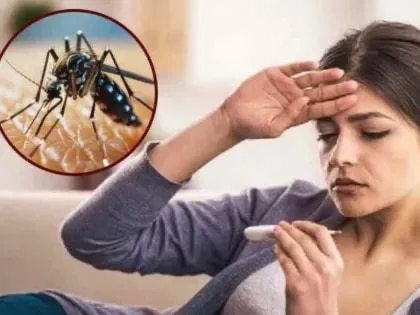
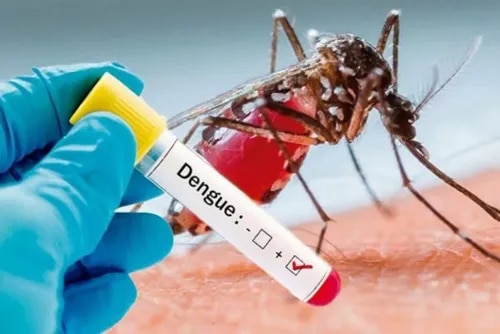
Dengue is a viral infection spread by the bite of infected female Aedes mosquitoes, especially: It is common in tropical and subtropical countries and increases during the rainy/monsoon season. ⸻ ⚠️ It does not spread directly from person to person. ⸻ Symptoms of Dengue Symptoms usually appear 4–10 days after mosquito bite. 🟡 Mild to Moderate Dengue • High fever (104°F / 40°C) • Severe headache • Pain behind the eyes • Muscle and joint pain (“breakbone fever”) • Nausea and vomiting • Skin rash • Mild bleeding (nose or gums) • Low platelet count ⸻ 🔴 Severe Dengue (Dengue Hemorrhagic Fever) This is a medical emergency. • Severe abdominal pain • Persistent vomiting • Bleeding from nose/gums • Blood in vomit or stool • Extreme weakness • Rapid breathing • Sudden drop in blood pressure (shock) Can lead to Dengue Shock Syndrome (DSS). ⸻ Phases of Dengue 1️⃣ Febrile Phase (2–7 days) 2️⃣ Critical Phase (24–48 hours) 3️⃣ Recovery Phase ⸻ Diagnosis Doctors diagnose dengue using: • CBC (Complete Blood Count) → low platelets • NS1 antigen test (early detection) • IgM / IgG antibody test • Dengue PCR (advanced test) ⸻ Treatment of Dengue ⚠️ No specific antiviral cure for dengue. Treatment is mainly supportive: ✅ What To Do • Drink plenty of fluids (ORS, coconut water, soups) • Take paracetamol for fever • Rest properly • Monitor platelet count ❌ Avoid • Aspirin • Ibuprofen • Diclofenac (these increase bleeding risk) Hospitalization may be needed in severe cases. ⸻ Prevention of Dengue Since there is no specific cure, prevention is very important. 🦟 Mosquito Control • Avoid stagnant water • Use mosquito nets • Wear full-sleeve clothes • Use mosquito repellents • Use window screens • Regular fogging in high-risk areas A vaccine called Dengvaxia exists in some countries ⸻ Complications • Severe bleeding • Organ failure • Shock • Death (rare with proper treatment)

Interstitial Lung Disease   service image
Interstitial Lung Disease

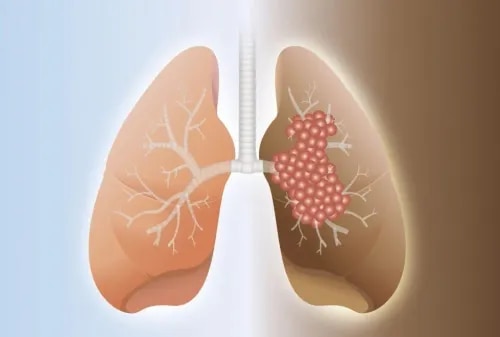
ILD (Interstitial Lung Disease) is a group of lung disorders that cause inflammation and scarring (fibrosis) of the lung interstitium — the tissue around the air sacs (alveoli). Over time, this scarring makes the lungs stiff, reducing their ability to expand and transfer oxygen into the bloodstream. ILD is usually chronic and progressive, and in many cases, irreversible. ⸻ Unlike asthma or COPD, ILD mainly affects the lung tissue itself, not the airways. ⸻ Common Types of ILD There are more than 200 types. Important ones include: 1️⃣ Idiopathic Pulmonary Fibrosis (IPF) • Most common form • Cause unknown • Progressive and serious 2️⃣ Hypersensitivity Pneumonitis • Caused by inhaling dust, molds, bird droppings 3️⃣ Occupational ILD • Due to long-term exposure to silica, asbestos, coal dust 4️⃣ Autoimmune-related ILD Associated with diseases like: • Rheumatoid Arthritis • Systemic Lupus Erythematosus • Scleroderma 5️⃣ Drug-induced ILD Certain medications can damage lung tissue. ⸻ Causes of ILD • Long-term exposure to dust or chemicals • Smoking • Autoimmune diseases • Certain infections • Radiation therapy • Unknown cause (Idiopathic) ⸻ Risk Factors • Age above 50 years • Smoking history • Occupational dust exposure • Family history of lung fibrosis • Autoimmune disorders ⸻ Symptoms of ILD • Progressive shortness of breath • Dry persistent cough • Fatigue • Weight loss • Chest discomfort In advanced cases: • Clubbing (rounding of fingertips) • Cyanosis (bluish lips) Symptoms usually worsen gradually. ⸻ Diagnosis of ILD Doctors use: 1️⃣ Medical History & Physical Exam 2️⃣ Imaging • Chest X-ray • HRCT (High-Resolution CT scan) – most important test 3️⃣ Pulmonary Function Test (PFT) 4️⃣ Blood Tests 5️⃣ Lung Biopsy ⸻ Treatment of ILD ⚠️ Many types of ILD are not fully curable, but treatment can slow progression. 1️⃣ Anti-fibrotic Medications 2️⃣ Steroids & Immunosuppressants 3️⃣ Oxygen Therapy 4️⃣ Pulmonary Rehabilitation 5️⃣ Lung Transplant ⸻ Complications • Pulmonary hypertension • Respiratory failure • Heart strain (cor pulmonale) • Reduced quality of life Prevention - VACCINATION • Avoid dust exposure • Stop smoking • Wear protective masks at work • Regular checkups if autoimmune disease present • Early treatment ⸻ Is ILD Curable? • Some inflammatory types can improve with treatment. • Fibrotic ILD (like IPF) is progressive. • Early diagnosis greatly improves outcomes.

Chronic Obstructive Pulmonary Disease service image
Chronic Obstructive Pulmonary Disease

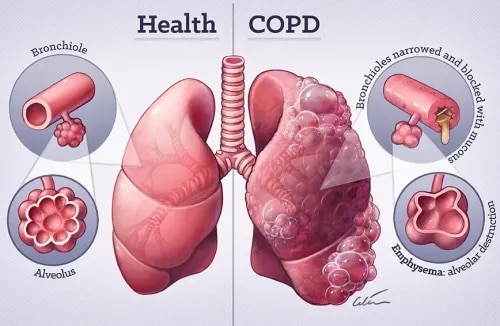
COPD (Chronic Obstructive Pulmonary Disease) is a progressive lung disease that causes long-term breathing difficulty due to persistent airflow limitation. It mainly includes: • Chronic bronchitis • Emphysema Unlike asthma, COPD airflow limitation is not fully reversible and gradually worsens over time. ⸻ Causes of COPD 🚬 1. Smoking (Most Common Cause) 🌫️ 2. Air Pollution 🏭 3. Occupational Exposure • Dust 🧬 4. Genetic Factor • Alpha-1 antitrypsin deficiency (rare) ⸻ Risk Factors • Age above 40 years • Long-term smoking history • Exposure to dust or chemicals • Recurrent lung infections • Poor air quality ⸻ Symptoms of COPD • Chronic cough • Sputum production • Shortness of breath (especially during activity) • Wheezing • Chest tightness • Fatigue • Frequent respiratory infections In advanced stages: • Weight loss • Swelling in legs (cor pulmonale) • Bluish lips (cyanosis) ⸻ Diagnosis of COPD Doctors use: • Medical history (smoking history important) • Physical examination • Spirometry (confirms airflow limitation) • Chest X-ray • CT scan (in severe cases) • Blood tests (ABG in advanced disease) ⸻ Stages of COPD (GOLD Classification) • Mild (Stage 1) – FEV1 ≥ 80% • Moderate (Stage 2) – FEV1 50–79% • Severe (Stage 3) – FEV1 30–49% • Very Severe (Stage 4) – FEV1 < 30% ⸻ Treatment of COPD ⚠️ COPD cannot be cured, but progression can be slowed. 1️⃣ Smoking Cessation (Most Important) 2️⃣ Medications • Short-acting bronchodilators (reliever) • Long-acting bronchodilators (LABA, LAMA) • Inhaled corticosteroids (in selected cases) • Combination inhalers • Oral medications (rarely) 3️⃣ Oxygen Therapy For severe cases with low oxygen levels. 4️⃣ Pulmonary Rehabilitation • Breathing exercises • Physical training • Nutrition guidance 5️⃣ Vaccination • Flu vaccine • Pneumococcal vaccine ⸻ COPD Exacerbation Sudden worsening of symptoms due to: • Infection • Pollution • Weather changes Symptoms: • Increased breathlessness • More sputum • Change in sputum color May require hospitalization. ⸻ Complications • Respiratory failure • Heart problems (cor pulmonale) • Lung infections • Depression & anxiety Prevention • Stop smoking • Avoid polluted areas • Use mask in dusty environments • Regular health checkups • Early treatment

ASTHMA  service image
ASTHMA

Asthma is a chronic inflammatory disease of the airways that causes difficulty in breathing. It happens when the airways in the lungs become: • Inflamed (swollen) • Narrowed • Filled with excess mucus • Overly sensitive to triggers This leads to reversible airway obstruction, meaning symptoms can improve with treatment. ⸻ Common Symptoms • Wheezing (whistling sound while breathing) • Shortness of breath • Chest tightness • Persistent cough (especially at night or early morning) • Difficulty speaking during severe attacks Symptoms may be mild, moderate, or severe. ⸻ Causes & Risk Factors Asthma is caused by a mix of genetic and environmental factors. 1. Genetic Factors • Family history of asthma • Allergies (atopy) 2. Environmental Triggers • Dust mites • Pollen • Pet dander • Smoke (cigarettes, pollution) • Cold air • Exercise • Respiratory infections • Strong perfumes or chemicals ⸻ Types of Asthma 1. Allergic Asthma – Triggered by allergens like pollen or dust. 2. Non-allergic Asthma – Triggered by infections, stress, weather. 3. Exercise-induced Asthma 4. Occupational Asthma – Caused by workplace irritants. 5. Childhood Asthma 6. Severe Asthma – Difficult to control with standard treatment. ⸻ Asthma Attack (Acute Exacerbation) An asthma attack occurs when symptoms suddenly worsen. Warning Signs: • Rapid breathing • Severe wheezing • Blue lips or fingernails (cyanosis) • Inability to speak full sentences • No relief from inhaler ⚠️ Severe attacks are medical emergencies. ⸻ Diagnosis Doctors diagnose asthma using: • Medical history • Physical examination • Spirometry (lung function test) • Peak flow measurement • Allergy testing ⸻ Treatment of Asthma Asthma cannot be cured, but it can be controlled. 1. Quick-Relief Medicines (Rescue Inhalers) 2. Long-Term Control Medicines 3. Non-Drug Management • Avoid triggers • Use air purifiers • Maintain healthy weight • Regular follow-up • Vaccination (flu vaccine) ⸻ Complications (If Uncontrolled) • Frequent hospital visits • Reduced lung function • Sleep problems • Severe respiratory failure (rare but life-threatening) ⸻ Prevention & Control Tips - VACCINATION • Use inhalers correctly • Avoid smoking and secondhand smoke • Keep home dust-free • Take prescribed medication regularly

Pneumonia  service image
Pneumonia

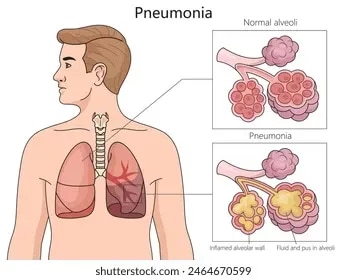
🫁 Pneumonia Definition: Pneumonia is an infection of the lungs that causes inflammation of the air sacs (alveoli). These air sacs may fill with fluid or pus, making it difficult for oxygen to pass into the blood. ⸻ 🔹 Causes Pneumonia can be caused by various microorganisms, including: 1. Bacteria – Streptococcus pneumoniae (most common) 2. Viruses – Influenza virus, RSV, Adenovirus, Coronavirus 3. Fungi – Candida, Aspergillus (especially in immunocompromised persons) 4. Atypical organisms – Mycoplasma pneumoniae, Chlamydia pneumoniae, Legionella pneumophila Mode of Transmission • Spread through inhalation of droplets from coughing or sneezing • Sometimes from aspiration of oropharyngeal secretions • Less commonly, from bloodstream spread ⸻ 🔹 Common Symptoms • Cough (may produce yellow or green sputum) • Fever and chills • Chest pain (worse while breathing or coughing) • Shortness of breath • Fatigue and weakness • Loss of appetite • In severe cases: bluish lips/nails, confusion (especially in elderly) ⸻ 🔹 Diagnosis • Clinical examination • Radiological investigation • Blood tests • Pulse oximetry ⸻ 🔹 Treatment Depends on the cause and severity: 1. Bacterial pneumonia: → Treated with antibiotics 2. Viral pneumonia: → Usually supportive care → Antivirals in some cases ( 3. Severe cases: → Hospitalization, oxygen therapy, IV fluids, sometimes ventilator support ⸻ 🔹 Prevention • Vaccination: • Pneumococcal vaccine (for children, elderly, and high-risk adults) • Influenza vaccine annually • Good hygiene (hand washing, covering coughs) • Avoid smoking • Maintain good nutrition and immunity ⸻ 🔹 Complications • Pleural effusion (fluid around lungs) • Lung abscess • Sepsis (infection spreads to bloodstream) • Respiratory failure

Viral upper respiratory tract infection  service image
Viral upper respiratory tract infection

🦠 Viral Upper Respiratory Tract Infection (Viral URTI) Definition: A Viral Upper Respiratory Tract Infection (URTI) is a common infection that affects the nose, throat, and upper airways (the respiratory tract above the lungs). It is usually caused by viruses and often referred to as the common cold. ⸻ 🔹 Common Causative Viruses • Rhinovirus (most common) • Adenovirus • Coronavirus • Parainfluenza virus • Respiratory syncytial virus (RSV) • Influenza virus ⸻ 🔹 Mode of Transmission • Airborne droplets from coughing or sneezing • Direct contact with infected person • Touching contaminated surfaces and then touching the nose, mouth, or eyes ⸻ 🔹 Affected Parts of the Body • Nose (rhinitis) • Throat (pharyngitis) • Sinuses (sinusitis) • Ears (otitis media – in some cases) • Larynx (laryngitis) ⸻ 🔹 Common Symptoms • Sore throat • Runny or stuffy nose • Sneezing • Cough • Mild fever • Headache • Fatigue • Hoarse voice • Mild body ache Symptoms usually appear 1–3 days after exposure and last 5–10 days. ⸻ 🔹 Diagnosis Usually clinical — based on history and symptoms. Lab tests are not needed unless complications or severe infection are suspected. ⸻ 🔹 Treatment There is no specific antiviral for most viral URTIs. Treatment is symptomatic and supportive: • Rest and fluids • Warm saline gargles • Steam inhalation • Paracetamol for fever or body ache • Decongestants (if prescribed) • Avoid unnecessary antibiotics (since it’s viral) ⸻ 🔹 Prevention • Frequent hand washing • Cover mouth and nose while sneezing/coughing • Avoid close contact with sick people • Maintain good hydration and nutrition • Annual flu vaccination (for influenza prevention) ⸻ 🔹 Complications (if untreated or severe) • Sinusitis • Ear infection (otitis media) • Bronchitis • Pneumonia (rare in viral URTI, more in secondary bacterial infection)

THYROID DISORDER  service image
THYROID DISORDER

The thyroid gland is a small, butterfly-shaped gland located in the front of the neck. It produces hormones — mainly thyroxine (T4) and triiodothyronine (T3) — which control the body’s metabolism, energy use, growth, and development. When the thyroid does not function properly, it leads to a thyroid disorder. These disorders cause either too much or too little thyroid hormone in the body. 🔹 Types of Thyroid Disorders 1. Hypothyroidism (Underactive Thyroid) • The thyroid gland doesn’t produce enough hormones. • Causes: Hashimoto’s thyroiditis (autoimmune), iodine deficiency, certain medications, or thyroid surgery. • Symptoms: • Fatigue, weakness • Weight gain • Cold intolerance • Dry skin, hair loss • Constipation • Slow heart rate, depression ⸻ 2. Hyperthyroidism (Overactive Thyroid) • The thyroid gland produces too much hormone. • Causes: Graves’ disease (autoimmune), thyroid nodules, thyroiditis, or excess iodine. • Symptoms: • Weight loss despite normal appetite • Heat intolerance • Nervousness, anxiety, irritability • Tremors, palpitations • Increased sweating • Difficulty sleeping ⸻ 3. Goiter • An enlargement of the thyroid gland, which may occur in both hypo- or hyperthyroidism. • Causes: Iodine deficiency, autoimmune conditions (Graves’ or Hashimoto’s disease). ⸻ 4. Thyroid Nodules • Lumps or growths in the thyroid gland. • Usually benign, but sometimes can be cancerous. • Symptoms: Often asymptomatic; may cause swelling or trouble swallowing if large. ⸻ 5. Thyroid Cancer • Malignant growth in the thyroid tissue. • Symptoms: Lump in the neck, hoarseness, difficulty swallowing, or swollen lymph nodes.

Subcategory Tags

24 hour asthma doctor Nanapura24 hour dengue treatment in NanpuraAdult flu shot near me VesuAdult immunization specialist in VesuAdult vaccination in VesuAdult vaccine clinic near me VesuAffordable COPD treatment in NanpuraAffordable dengue treatment in NanpuraAffordable dengue treatment in vesuAffordable typhoid treatment in Nanpura SuratAffordable typhoid treatment in vesu SuratAllergy and asthma clinic in VesuAsthma doctor in VesuAutoimmune related ILD treatment in VesAutoimmune related ILD treatment in VesuBest COPD doctor in NanpuraBest COPD specialist near Vesu SuratBest ILD doctor in NanapuraBest ILD specialist near Vesu SuratBest MD physician in SuratBest asthma specialist near Vesu SuratBest dengue doctor in Vesu SuratBest dengue fever treatment near Vesu SuratBest doctor for typhoid in VesuBest physician for typhoid in SuratBest preventive care doctor in VesuBest travel vaccine doctor in NanpuraBest travel vaccine doctor in vesuBest vaccination doctor in VesuCOPD doctor in VesuCOPD specialist contact number VesuCOPD specialist in Vesu SuratChest physician in NanapuraChest physician in NanpuraChronic bronchitis treatment in VesuDengue fever treatment in VesuDengue specialist in NanpuraDengue specialist in vesuDengue treatment in NanpuraDry cough and breathlessness doctor in NanapuraDry cough and breathlessness doctor in vesuElderly pneumonia care in Your CityEmergency typhoid care in NanpuraEmergency typhoid care in vesuFlu vaccine in VesuHigh fever treatment in VesuILD care center VesuILD specialist in Vesu SuratIs lung fibrosis curable in Vesu?Lung fibrosis treatment in NanapuraLung infection doctor near meLung infection treatment near meLung specialist in Vesu SuratMD physician in Vesu for typhoidMeningococcal vaccine in vesu SuratPneumonia emergency care in Your CityPneumonia vaccine in VesuPre-travel medical checkup in SuratPre-travel vaccination in VesuPreventive health vaccines in Vesu

Contact Us